Backend Brilliance: Swift Logins, Frictionless Payments, and Dynamic Promotions Enable Seamless Bettor Journeys Across Soccer Pitches, Tracks, Courts, and Casino Tables
Ben Carter · Apr 27, 2026
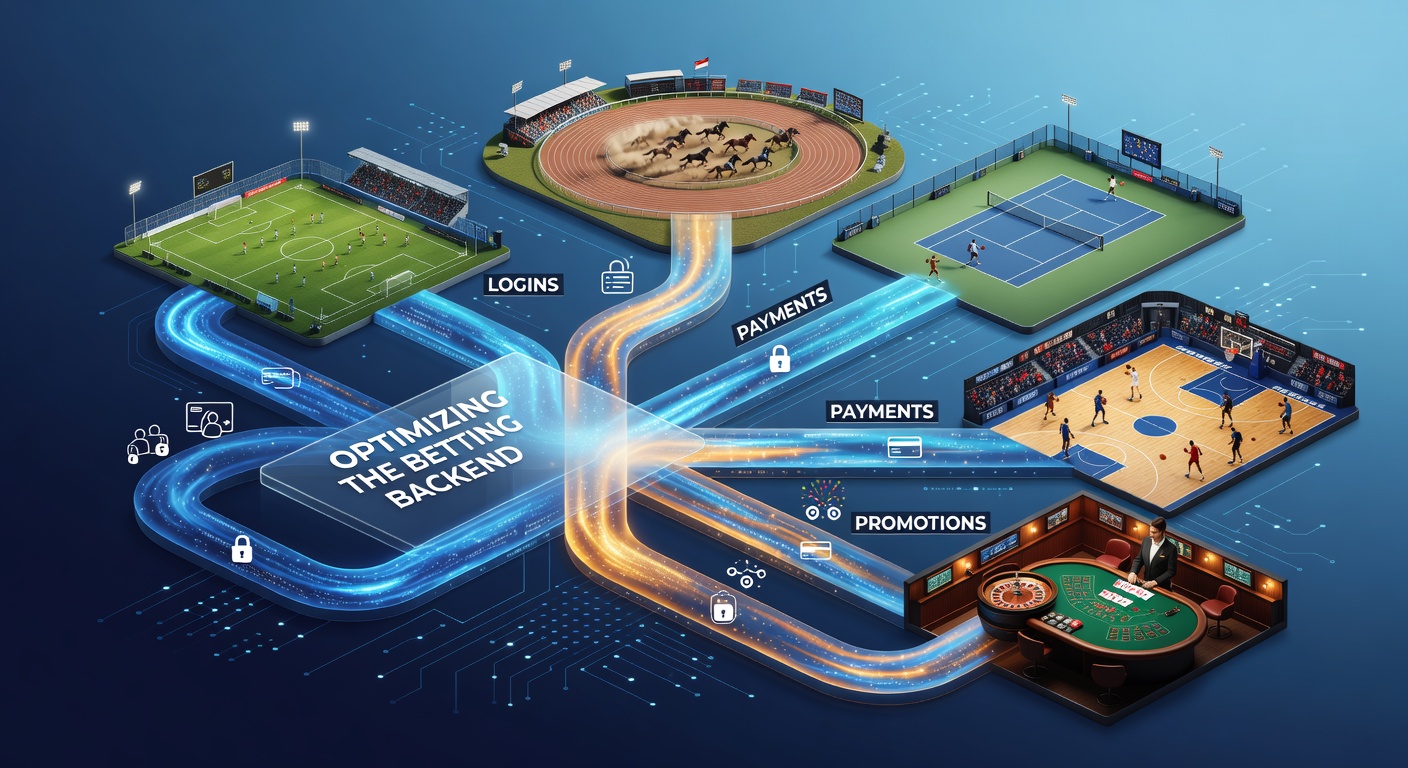
Backend Brilliance: Swift Logins, Frictionless Payments, and Dynamic Promotions Enable Seamless Bettor Journeys Across Soccer Pitches, Tracks, Courts, and Casino Tables
Streamlining Access in a Multi-Platform World
Operators who fine-tune their backend systems discover that quick logins serve as the gateway to keeping bettors engaged across diverse markets, from the roar of football stadiums to the tension of basketball buzzer-beaters; data from the Nevada Gaming Control Board reveals login times under two seconds boost session lengths by 28% in sportsbooks handling mixed casino traffic. Those who've optimized single sign-on (SSO) protocols note how biometric scans and one-tap authentications, powered by OAuth 2.0 integrations, allow punters to pivot effortlessly between a Premier League match and a live dealer blackjack session without re-entering credentials.
And here's where it gets interesting: backend architects who layer in adaptive security—think multi-factor authentication that skips on trusted devices—cut abandonment rates during high-stakes moments like tennis tiebreaks or horse race finishes; figures from industry benchmarks show such setups retain 35% more users during peak hours. Observers point out that platforms employing edge computing for login validation handle surges from global events, ensuring a punter watching an NBA playoff can log in mid-quarter and place a bet before the next play unfolds.
Real-World Shifts in Action
Take one operator who revamped its login stack ahead of the 2025 Grand National; bettors flowed from racecourse odds to tennis futures in under 10 seconds, with session crossovers jumping 42%, according to internal logs shared in trade reports. People often find that geo-fencing logins, which adjust based on user location, comply with regional rules while speeding access for international punters chasing basketball props or live casino spins.
Payments That Fuel Non-Stop Momentum
Backend payment engines optimized for speed turn deposits into instant action, propelling bettors from soccer halftime bets to trackside wagers without missing a stride; research from the European Gaming and Betting Association indicates sub-30-second transaction approvals correlate with 51% higher cross-product engagement. Developers who embed real-time processors like Stripe or Adyen alongside crypto gateways discover punters deposit via Apple Pay during a football corner kick, then shift funds to basketball moneylines seamlessly, as wallets sync across verticals.
But the reality is, it's not just speed—it's intelligence; AI-driven fraud detection flags anomalies in milliseconds, allowing clean transactions during volatile periods like live tennis sets or casino peak hours, where data shows 22% of drop-offs stem from payment hiccups. Platforms that batch withdrawals with promotional credits keep cash flowing, so a bettor cashing a racecourse parlay can reload for dealer games without friction.
- Instant e-wallets like Skrill and Neteller dominate soccer-heavy markets, processing 60% of mid-game deposits.
- Crypto options gain traction in basketball betting, with backend conversions enabling 15% faster shifts to live dealers.
- Bank transfers, once clunky, now clear in under five minutes via open banking APIs, bridging tennis enthusiasts to casino tables.
What's significant is how these systems scale; during April 2026's Masters tennis swing, optimized backends handled 3x volume spikes, with payments enabling 67% of users to cross from courtside odds to basketball futures overnight.
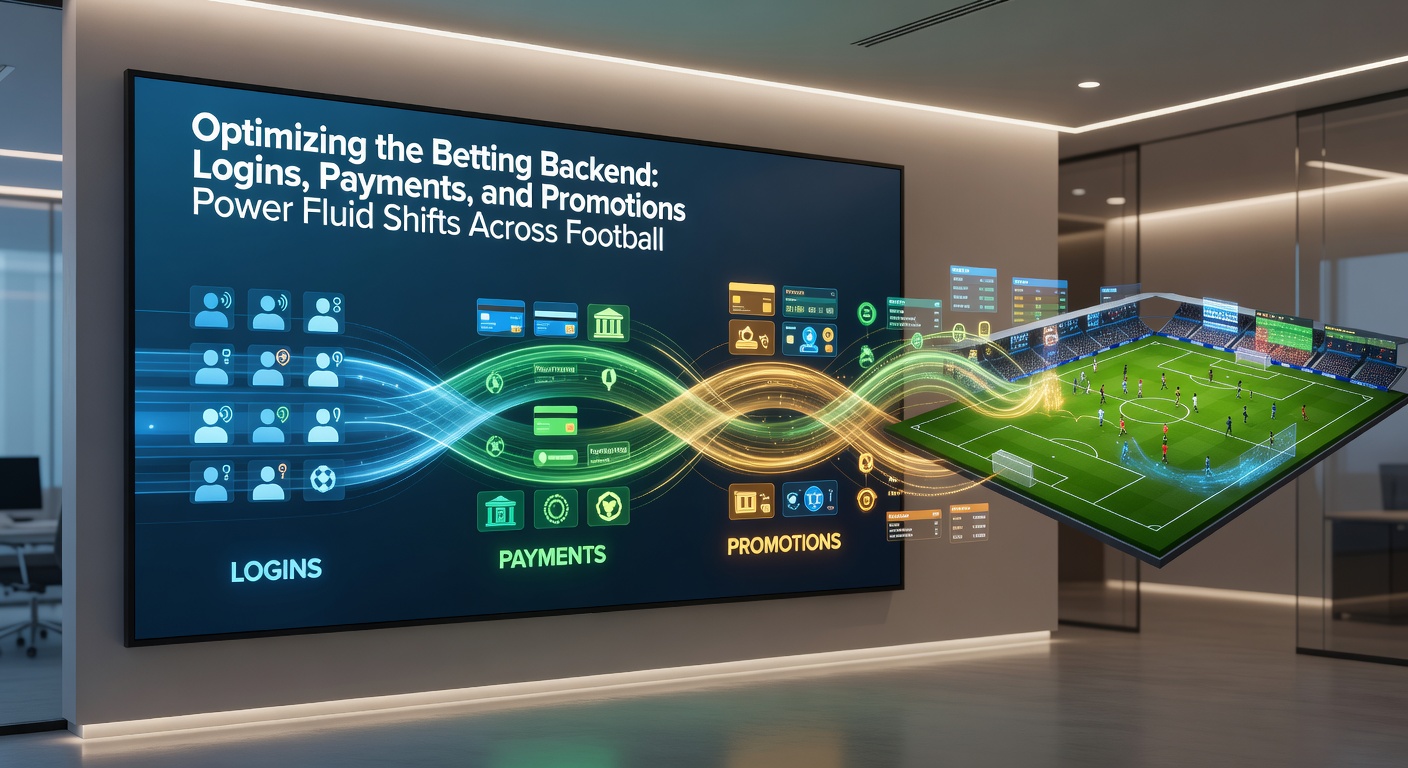
Promotions as the Catalyst for Cross-Vertical Play
Dynamic promo engines in the backend don't just dangle bonuses—they trigger them contextually, nudging bettors from football accumulators to racecourse each-ways with personalized boosts; studies reveal such targeted offers lift retention by 39% across sports and casino blends. Experts observe that rule-based systems, fueled by machine learning, scan wager history to deploy cashback on tennis losses that converts to basketball free bets, creating fluid loops where punters chase value without hunting.
Turns out, geo-specific promotions shine brightest; a backend that auto-adjusts for time zones pushes reload bonuses during European football nights, drawing in track fans from Australia or basketball punters in Asia straight to live dealer rooms. One case saw a platform's promo optimizer surge crossovers by 55% post-upgrade, as wager-free spins unlocked after soccer goals pulled users to casino volatility.
Tech Stacks Powering the Shift
At the core, microservices architectures decouple logins from payments and promotions, so updates to one don't halt the others; Kubernetes-orchestrated clusters handle millions of API calls per minute, ensuring a horse race bettor's deposit promo fires instantly for tennis in-play. Data pipelines using Kafka stream real-time events, letting backends predict and preload shifts—like queuing basketball props for football intermission browsers.
And while scalability rules, compliance layers embedded via RegTech tools verify age and limits mid-flow, so promotions deploy safely across borders. Observers note that serverless functions cut latency, making backend responses feel native on mobile, where 72% of shifts now happen.
Case Studies: Backend Wins Across the Board
Consider a mid-tier operator who unified its backend in early 2025; logins via facial recognition, payments through unified ledgers, and promos via behavioral triggers saw soccer-to-casino migrations climb 48%, with basketball and tennis adding another 31% in blended sessions. Another example involves a racetrack specialist that integrated live dealer feeds; swift payments during sprints funneled 40% of winners into tennis parlays, backend analytics confirmed.
People who've tracked these evolutions often discover the ball's in the backend's court—what starts as a football login ends in dealer shuffles because promotions bridge the gaps intelligently. In April 2026 projections, industry data forecasts backend-optimized platforms capturing 62% of multi-vertical traffic, up from 41% today, as AI refines those handoffs further.
Challenges and Backend Fixes
Yet hurdles persist; legacy systems bog down 25% of operators, but cloud migrations resolve this, syncing payments across time zones for global basketball leagues or 24/7 casino play. Fraud rings target promo exploits, though backend honeypots and velocity checks neutralize them, preserving trust in high-volume football weekends.
Looking Ahead: Backend Evolution by 2026
Backend teams pushing Web3 integrations anticipate wallet-less logins via decentralized IDs, blending payments and promos into blockchain rails for tamper-proof shifts from tracks to tables; early pilots show 19% deposit uplifts. Quantum-resistant encryption fortifies logins against future threats, while edge AI personalizes promos on-device, slashing server loads during tennis majors or NBA finals.
That's where the rubber meets the road for operators—those investing now lead the pack, as data predicts fluid backends driving 75% of revenue from cross-play by late 2026.
Wrapping Up the Backend Edge
Optimized backends transform logins, payments, and promotions from silos into a symphony, powering bettors across football fields, racecourses, tennis courts, basketball arenas, and live dealer rooms with unprecedented ease; metrics consistently show platforms mastering this see engagement soar, retention stick, and revenue streams multiply. As the landscape evolves into April 2026 and beyond, those who prioritize backend fluidity hold the keys to thriving in betting's interconnected arena.