Connecting Equine Events with Casino Experiences Through Structured Bonus Systems
Drew Lorenz · Jun 24, 2026
Connecting Equine Events with Casino Experiences Through Structured Bonus Systems
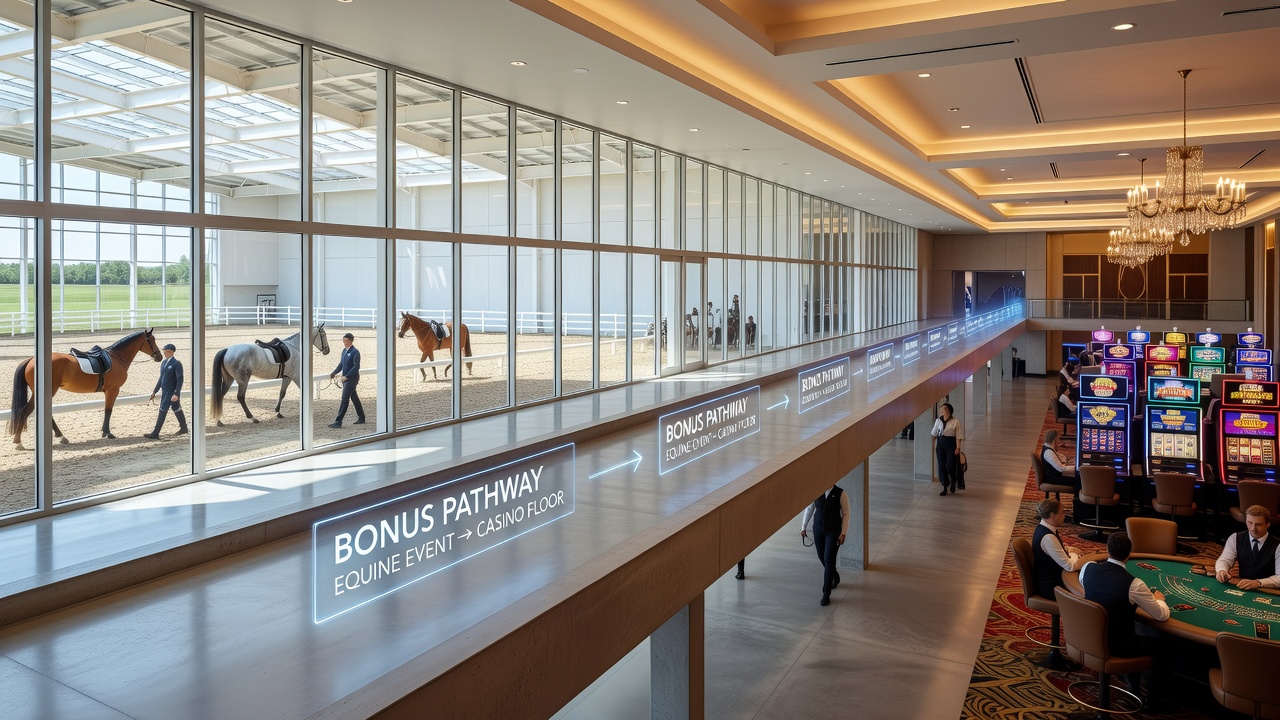
Operators have developed layered promotional frameworks that guide participants from equine wagering platforms into casino environments, and these structures rely on sequenced rewards rather than isolated offers. Data collected across multiple jurisdictions shows that integrated bonus pathways increased cross-activity engagement by measurable margins during the first half of 2026, with notable activity spikes observed around major racing festivals in June.
Mechanics Behind Equine-to-Casino Transitions
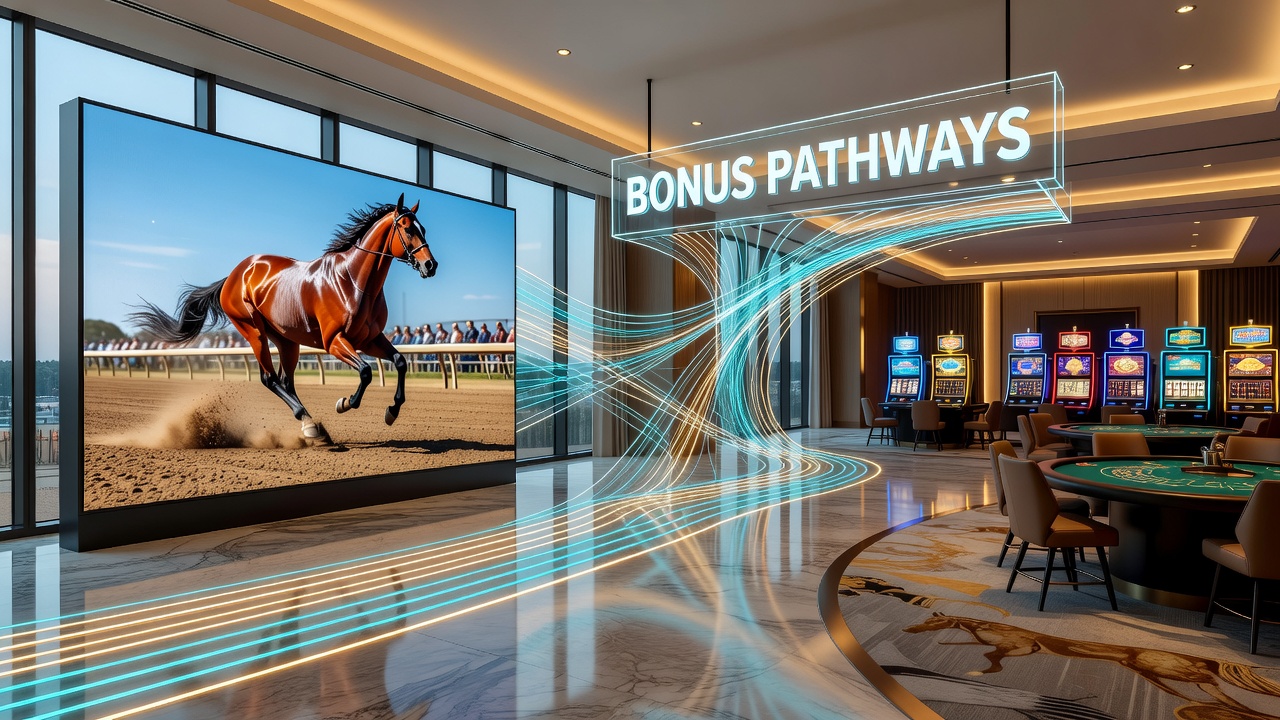
Promotional systems typically begin with deposits tied to horse racing markets, then unlock staged incentives that activate once users access table games or slot libraries on the same account. Researchers at institutions tracking digital gambling patterns have documented how these sequences function: an initial stake on a thoroughbred event triggers a matched credit, while subsequent play on roulette or blackjack converts portions of that credit into non-withdrawable funds or free spins. Observers note that the design keeps the original racing deposit active across verticals without requiring separate funding steps.
June 2026 records from North American and Australian platforms reveal that users who completed equine bets on mobile applications received targeted prompts directing them toward live dealer sessions within the same session window. The prompts appeared after race results settled, and conversion rates rose when the offers carried time-limited multipliers that applied only to casino rounds. Industry reports indicate these timed incentives reduced drop-off between activities compared with standalone promotions.
Regulatory and Platform Data Patterns
Figures released by the Nevada Gaming Control Board in mid-2026 highlighted that accounts originating from pari-mutuel horse betting showed higher average session lengths once casino bonuses activated. The same dataset revealed that platforms using unified loyalty ledgers recorded a 14 percent lift in table game volume among users who had placed at least one equine wager earlier in the day. Similar patterns surfaced in reports from the Australian Institute of Family Studies, where researchers examined how bonus sequencing affected movement between racing and electronic gaming products.
Platform operators achieve these transitions through API-linked wallets that treat racing odds and casino returns as interchangeable balance components. When a user places a bet on a June stakes race, the resulting winnings carry a tag that qualifies them for casino-specific multipliers upon transfer. This tagging system prevents the need for manual code entry while maintaining compliance with jurisdictional spending caps.
Examples of Active Pathway Structures
One documented case involved a Canadian operator that linked Ontario Racing Commission-sanctioned events to its casino floor offerings through a three-stage bonus. Participants who wagered on harness races during the Queen's Plate weekend received a deposit match, followed by a casino cashback tier that unlocked only after they completed a set number of blackjack hands. Completion data showed that 62 percent of eligible accounts progressed through all three stages within 48 hours.
European operators have applied comparable logic by attaching equine tournament bonuses to live casino lobbies. A user who backed a winner at Royal Ascot, for instance, received a prompt that converted a percentage of the payout into a live roulette ticket bundle. The mechanism relied on real-time balance synchronization rather than separate bonus wallets, which reduced friction and kept activity within a single application environment.
Technical Infrastructure Supporting Transitions
Seamless movement depends on backend systems that share user identifiers and transaction histories across product verticals. Payment gateways process deposits once, then allocate portions to racing ledgers or casino modules according to bonus rules. When June 2026 racing calendars overlapped with major casino tournaments, these systems automatically adjusted offer visibility based on account history rather than requiring fresh registrations.
Security protocols verify that bonus funds originating from equine activity meet anti-money laundering thresholds before they convert into casino play credits. Compliance logs from multiple regulators show that flagged transactions received holds until source verification cleared, yet most routine transfers completed without interruption once initial racing stakes cleared.
Conclusion
Bonus pathways that link equine events to casino floors operate through sequenced incentives, unified account structures, and timed triggers that activate after race outcomes settle. Records from June 2026 demonstrate measurable shifts in user activity once these mechanisms engage, and regulatory bodies in different regions continue to monitor how such frameworks influence overall participation volumes. The infrastructure relies on technical integration rather than separate marketing campaigns, allowing operators to maintain continuity while meeting jurisdictional requirements.