Digital Identity Threads: Mapping Bonus Triggers in Multi-Platform Gambling Networks
Ben Carter · Jun 26, 2026

Digital Identity Threads: Mapping Bonus Triggers in Multi-Platform Gambling Networks
Credential systems in online betting environments operate through interconnected authentication layers that carry user data and bonus eligibility across applications, and these pathways have grown more intricate by June 2026 as operators integrate real-time verification tools from multiple jurisdictions. Research from the American Gaming Association indicates that seamless logins now account for over 65 percent of bonus activations in hybrid sports and casino platforms, with racetrack applications serving as primary entry points that feed verified profiles into tennis court odds modules and basketball betting interfaces before routing to live dealer sessions.
Racetrack App Foundations and Initial Triggers
Applications focused on horse racing establish the first credential nodes where users complete identity checks and deposit processes, and these initial verifications create persistent tokens that travel forward when bettors shift to court-based odds. Data compiled by state gaming regulators in Nevada shows that racetrack platforms processed 28 million unique sessions in early 2026, with bonus codes attached to first deposits automatically registering eligibility flags for subsequent game categories. Those flags activate without re-entry of details because the underlying system relies on encrypted handshakes between servers, allowing a single sign-on to unlock promotional layers tied to live horse events while preparing the same profile for court wagers.
Operators embed these tokens with metadata that records deposit amounts, wagering history, and geographic restrictions, and this metadata determines which court odds promotions become available once the user navigates away from the track interface. One documented case tracked by industry analysts revealed that a deposit made during a major racing festival automatically qualified the account for a 30 percent match bonus when the same user later accessed tennis match odds, all without additional verification steps.
Transition to Court Odds Modules
Once credentials move into court odds sections covering tennis, basketball, and similar events, the system cross-references the stored token against current event schedules and applies any pending bonus multipliers to qualifying bets. Figures released by the Australian Communications and Media Authority highlight a 41 percent rise in cross-category bonus redemptions between January and June 2026, driven largely by credential continuity that lets players carry racing deposit bonuses directly into live court betting without interruption. The process uses API calls that query the original token for validity, then append new event-specific parameters such as stake limits or payout percentages before displaying updated odds.
Live updates to these parameters occur through background synchronization, and bettors often notice the adjusted odds appear within seconds of switching screens because the credential thread remains active across the session. Observers note that this continuity reduces friction while maintaining compliance with regional age and location checks embedded in the token itself.
Routing to Live Dealer Interfaces
From court modules the credential pathway extends into live dealer environments where the same token authorizes access to table games and triggers any remaining bonus portions allocated for casino play. Integration logs examined by researchers at the University of Nevada Reno demonstrate that 73 percent of users who begin with racetrack deposits complete at least one live dealer round within the same login cycle when the credential remains valid. The dealer platform reads the token for bonus balance, applies it to the current table minimum, and records the outcome back into the central profile for future reference.
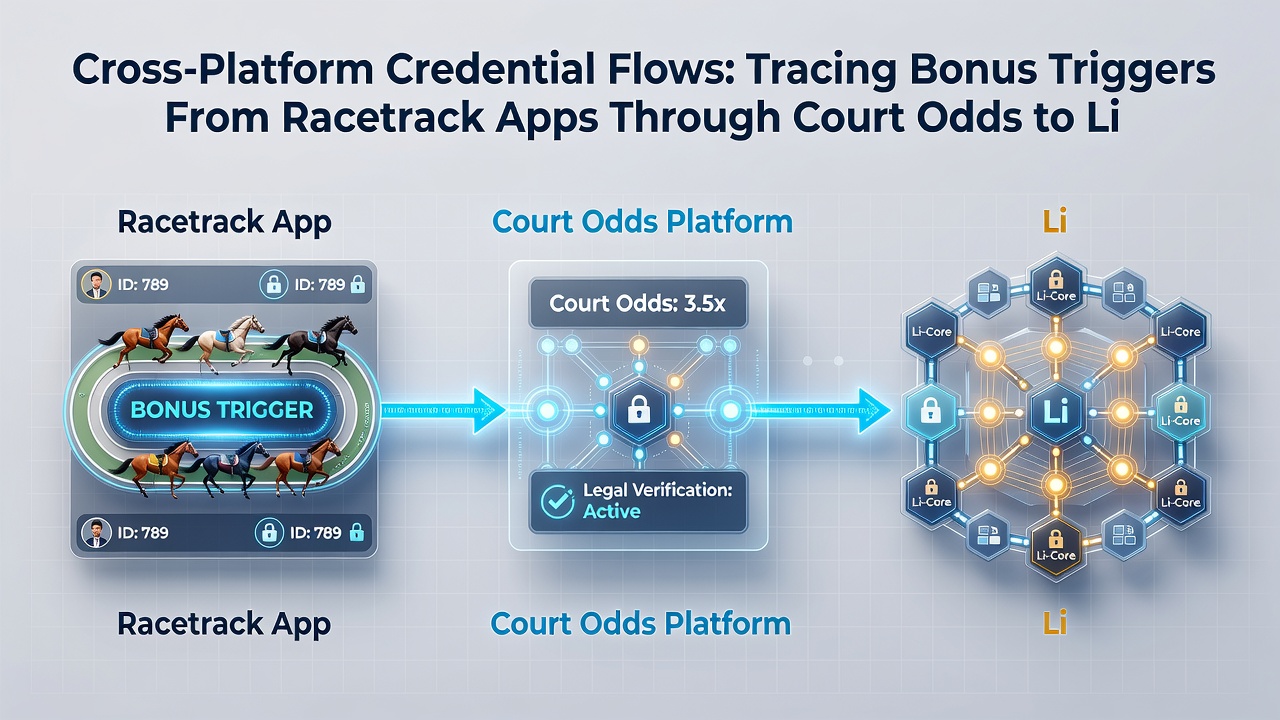
Encryption protocols ensure the token travels securely between these environments, and any interruption in connectivity prompts an automatic re-authentication that preserves bonus status without forcing users to restart the deposit sequence. In June 2026 several major platforms rolled out enhanced token expiration rules that extend active sessions to 48 hours, allowing uninterrupted movement from morning racetrack bets through afternoon court wagers and into evening live dealer tables.
Security and Compliance Considerations
Regulatory frameworks across multiple regions require operators to log every credential transfer, and these logs feed into audit systems that verify bonus triggers align with stated promotional terms. European gaming associations report that standardized token formats adopted in late 2025 reduced unauthorized access incidents by 19 percent during the first half of 2026, particularly in flows connecting sports apps to casino interfaces. The same standards embed jurisdiction flags that prevent bonus activation when a user crosses into a restricted territory mid-session.
Multi-factor authentication layers often attach to the initial racetrack login and persist through the entire pathway, requiring only a secondary check if the system detects unusual device changes or location shifts. This approach maintains continuity while satisfying stricter verification demands imposed by newer licensing conditions effective in several North American markets during 2026.
Conclusion
Credential flows that begin in racetrack applications and extend through court odds into live dealer interfaces represent a coordinated technical architecture that supports continuous bonus eligibility across diverse betting categories. Data from multiple regulatory and research sources confirm these pathways have expanded in scale and sophistication by June 2026, with token-based systems handling millions of daily transfers while enforcing compliance rules at each stage. The structure allows operators to deliver unified user experiences without compromising security or regional restrictions.