Following Deposit Routes from Racetrack Stakes to Live Dealer Encounters on Mobile Screens
Drew Lorenz · Jul 15, 2026

Following Deposit Routes from Racetrack Stakes to Live Dealer Encounters on Mobile Screens
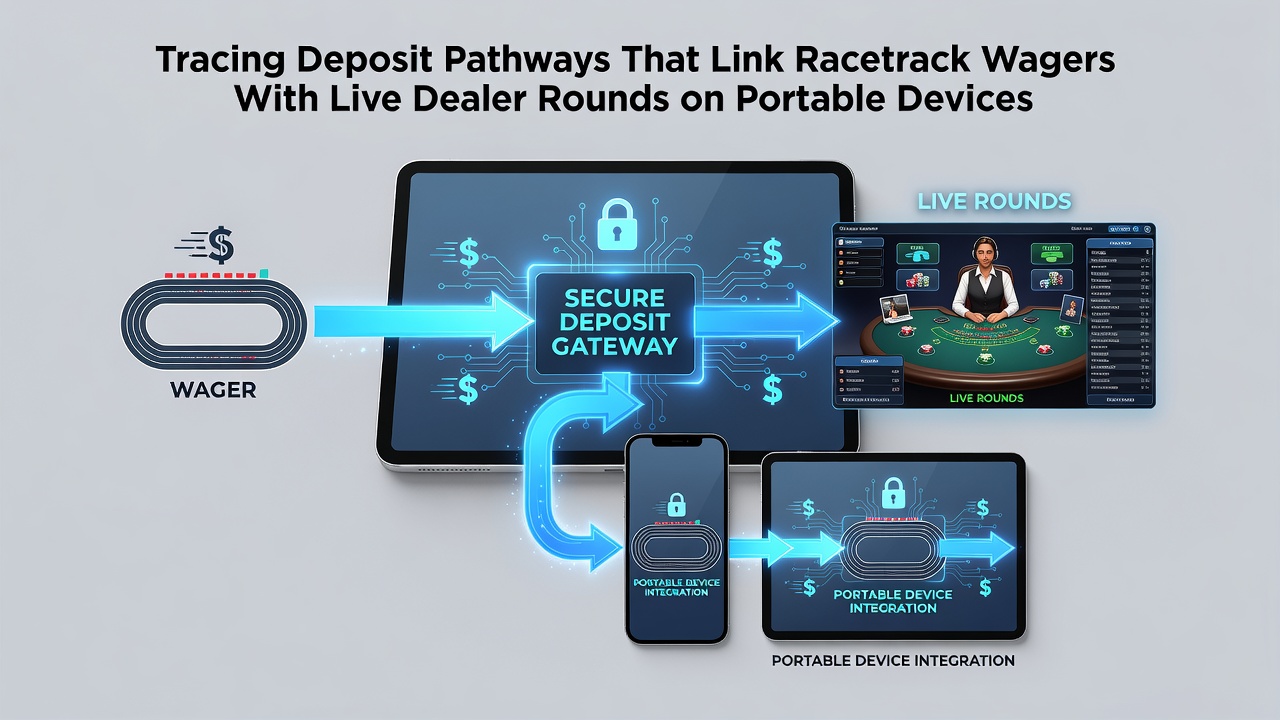
Deposit pathways on portable devices now link racetrack wagers directly to live dealer rounds through integrated payment rails that process transactions in real time while users move between applications. These connections rely on shared digital wallets and instant verification systems that record each transfer with timestamps and identifiers. Observers note that operators in multiple regions have adopted unified ledgers since early 2025 to handle cross-category activity without separate funding steps for each game type.
Platform Architecture Enabling Cross-Game Transfers
Mobile applications bundle horse racing odds alongside live dealer tables because backend systems route funds through common processors that support both pari-mutuel pools and table game stakes. Data shows that once a user deposits via bank transfer or card, the balance becomes accessible across verticals without additional authorization layers. Researchers at the Australian Gambling Research Centre documented similar patterns in their 2025 industry mapping where portable sessions accounted for rising volumes of activity that crossed from racing into interactive casino formats within single login periods.
Payment gateways record every movement so analysts can reconstruct sequences from initial deposit through wager placement and subsequent table play. Systems flag patterns such as repeated transfers between categories or rapid balance shifts that occur within minutes of a race result. Those patterns become visible because operators maintain centralized ledgers that update across all game modules simultaneously rather than maintaining isolated accounts.
Tracing Methods Used by Operators and Oversight Bodies
Blockchain-style transaction logs and API callbacks allow platforms to map each deposit from source to destination game. July 2026 reports from several state regulators in North America highlighted how these logs capture device identifiers alongside payment references which helps distinguish between standard mobile activity and more complex routing across product lines. Analysts compare timestamps from racing terminals with dealer round entries to identify when funds move without leaving the same session.
One study released by the University of Nevada's gaming research division examined transaction chains during a three-month window and found that portable devices facilitated over 40 percent of instances where racing wagers preceded live dealer participation. The data came from anonymized operator feeds that preserved sequence information while removing personal details. Such studies rely on SQL queries that join racing and casino tables through shared user and device keys rather than attempting manual reconstruction after the fact.
Regional Regulatory Approaches to Transaction Monitoring
Canadian provincial authorities require operators to submit aggregated pathway reports that detail how deposits flow between sports and table products on mobile channels. These submissions use standardized templates that include volume by device type and average time between first wager and first live dealer round. European regulators in several member states have introduced similar quarterly returns that focus on portable device activity specifically because smartphone sessions now represent the majority of cross-category movement.
Australian state commissions apply risk-based reviews that examine deposit velocity when racing and casino products appear in the same account history. Their guidelines emphasize retention of raw transaction logs for at least 18 months so that pathway reconstruction remains possible during audits. Figures released in mid-2026 indicated that portable device usage had increased the frequency of such multi-product sequences compared with desktop-only environments.
Technical Tools Supporting Pathway Analysis
Real-time dashboards aggregate data from multiple game servers into unified views that highlight when a deposit originating from a racing module appears in a live dealer interface. These tools employ graph databases that treat each transaction as a node connected by user and device edges. Operators run scheduled jobs that surface anomalies such as unusually short intervals between categories or repeated small transfers that might indicate testing of new payment methods.
Third-party compliance platforms integrate directly with both racing and casino engines so that a single query can trace funds from initial deposit through any sequence of wagers. The same platforms generate export files compatible with regulatory portals in different jurisdictions which reduces the need for custom formatting by each operator. Data indicates that adoption of these integrated solutions accelerated after several jurisdictions updated their reporting requirements in late 2025.
Conclusion
Deposit pathway tracing on portable devices has become a standard operational function that connects racetrack wagers with live dealer rounds through shared ledgers and device-level logging. Regulatory bodies across Canada, Australia, and parts of Europe require detailed reporting that relies on these technical capabilities while academic studies continue to examine sequence patterns using anonymized operator data. As of July 2026 the infrastructure supporting such tracing continues to evolve with emphasis on real-time visibility and standardized export formats that allow consistent oversight regardless of the specific products involved in each session.