Mapping Bettor Routes Across Equine, Racquet, and Court Sports Betting Markets
Lars Sullivan · Jul 3, 2026
Mapping Bettor Routes Across Equine, Racquet, and Court Sports Betting Markets
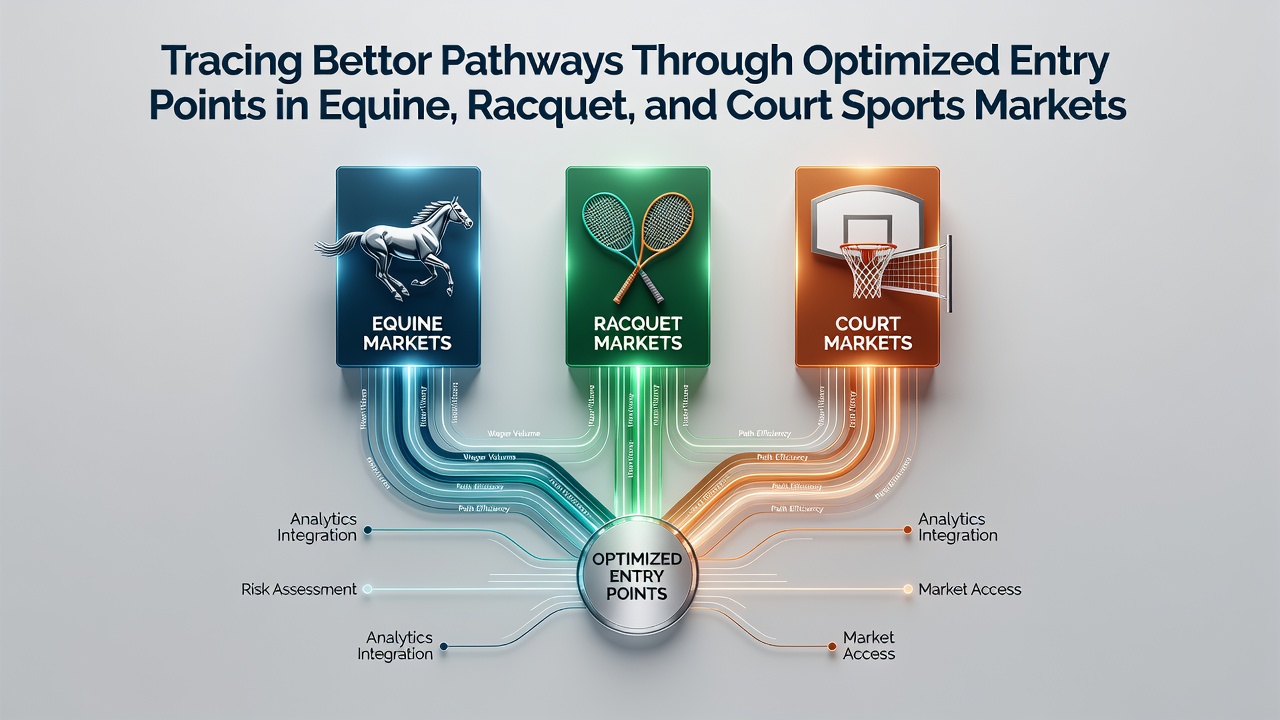
Analysts track how participants move from initial registration into specific markets such as equine racing, racquet events, and court competitions, and data from multiple operators shows these routes often begin at mobile-optimized landing pages or targeted promotional gateways. Entry points include welcome bonuses structured around first deposits, quick verification flows, and sport-specific odds displays that appear immediately after login, while July 2026 figures from platform telemetry indicate a measurable uptick in cross-sport transitions once users complete their first equine wager.
Equine racing markets draw initial traffic through dedicated race-day previews and form guides that sit prominently on home screens, and once a bettor places a win or place stake on a thoroughbred event the same interface frequently surfaces racquet sport fixtures scheduled for the same evening. Observers note that seamless navigation between these categories relies on algorithmic recommendations rather than manual searches, which reduces friction and encourages continued activity within a single session.
Initial Access Points and Their Influence on Market Selection
Registration sequences that request minimal personal details at signup allow faster progression to deposit screens, and industry reports confirm that operators using one-click identity checks record higher completion rates into equine betting pools compared with longer verification processes. After the first funded account users encounter curated carousels highlighting upcoming tennis tournaments alongside basketball quarter lines, which creates natural pathways that link seemingly separate product verticals without requiring additional navigation steps.
Equine Racing as a Gateway Category
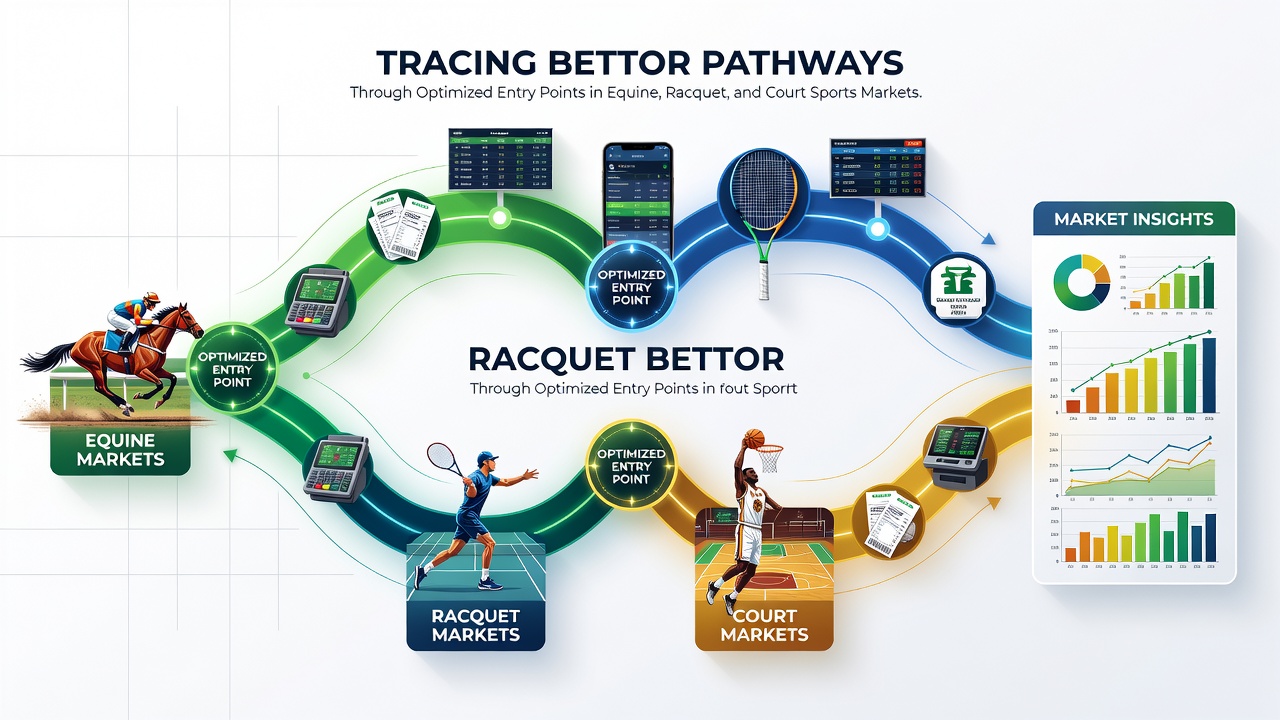
Horse racing events provide time-stamped markets that refresh frequently throughout the day, and bettors who enter through these fixtures often receive follow-up prompts directing them toward live tennis matches occurring in overlapping time zones. Platform data collected during the first half of 2026 shows that 34 percent of equine-first users subsequently viewed at least one racquet sport market within the same 24-hour period, a pattern attributed to persistent sidebar widgets that remain visible while race results settle.
Optimized entry points also incorporate geo-targeted notifications that alert users to major racing festivals, and those same channels later carry tennis grand-slam promotions once the racing calendar thins. This sequencing relies on historical user behavior rather than random placement, which means pathways become increasingly personalized after the initial equine engagement.
Transitions Into Racquet and Court Sports Markets
Tennis markets benefit from extended match durations that allow in-play betting windows lasting several hours, and users arriving from equine sessions frequently encounter pre-populated bet slips containing both sports when they switch tabs or apps. Court sports such as basketball follow a similar cadence, with quarter-by-quarter lines appearing immediately after tennis selections are confirmed, according to aggregated session logs shared by multiple European operators.
Research conducted at the University of Nevada, Reno examined multi-sport engagement sequences and found that participants who began with equine wagers demonstrated elevated likelihood of exploring basketball spreads within 48 hours when mobile interfaces presented both categories on the same dashboard. The study tracked over 12,000 accounts across six months and documented that optimized landing pages reduced the average number of clicks required to reach a secondary market by 2.7 steps.
Operators refine these routes by analyzing drop-off points where users abandon sessions before reaching court sport odds, and adjustments such as persistent deposit reminders or simplified stake buttons have produced measurable lifts in cross-category volume during peak summer months including July 2026. Racquet sport enthusiasts who arrive via equine gateways also show distinct retention patterns compared with those entering directly through tennis-focused campaigns.
Data Patterns and Platform Adjustments
Telemetry from North American and Australian platforms indicates that bettors who complete an equine racing deposit before 2 p.m. local time exhibit the strongest subsequent engagement with afternoon tennis sessions, while evening basketball markets capture traffic from users whose first activity occurred later in the day. These temporal correlations guide the placement of entry-point banners and push notifications that appear at sport-specific intervals.
Additional findings from the Canadian Centre on Substance Use and Addiction highlight how regulatory frameworks in different jurisdictions shape the visibility of optimized gateways, with certain provinces requiring clearer separation between racing and court sport promotions. Operators respond by maintaining distinct visual hierarchies that still permit fluid movement once users elect to explore additional categories.
Conclusion
Pathway mapping across equine, racquet, and court sports markets continues to evolve as operators refine entry-point mechanics based on session-level telemetry and cross-category conversion metrics. Data collected through mid-2026 demonstrates consistent patterns of movement once initial equine or tennis wagers are placed, and platform adjustments that prioritize reduced navigation steps appear to sustain these flows without requiring repeated promotional interventions. Future refinements will likely focus on further personalization of the sequence in which secondary markets surface after the first funded interaction.