UKGC Holds Off on Full Financial Risk Assessment Rollout
Lars Sullivan · May 27, 2026

UKGC Holds Off on Full Financial Risk Assessment Rollout
The UK Gambling Commission has postponed its decision on the full implementation of Financial Risk Assessments after a board meeting held on 21 May 2026, and the regulator explained that while it had examined an extensive evidence base the assessment remained incomplete at that stage. Those assessments, often described as affordability checks, formed part of the broader reforms introduced under the 2023 Gambling Act, with a pilot phase launched in 2024 to test how the process would work in practice.
Data gathered during the pilot phase showed that only 3% of active customers would trigger any form of intervention, a figure that operators and other stakeholders referenced when voicing concerns about the proposed measures. The Commission noted that further work was required before a final position could be reached, and the announcement came after several months of consultation responses and industry feedback.
Background to the Proposed Checks
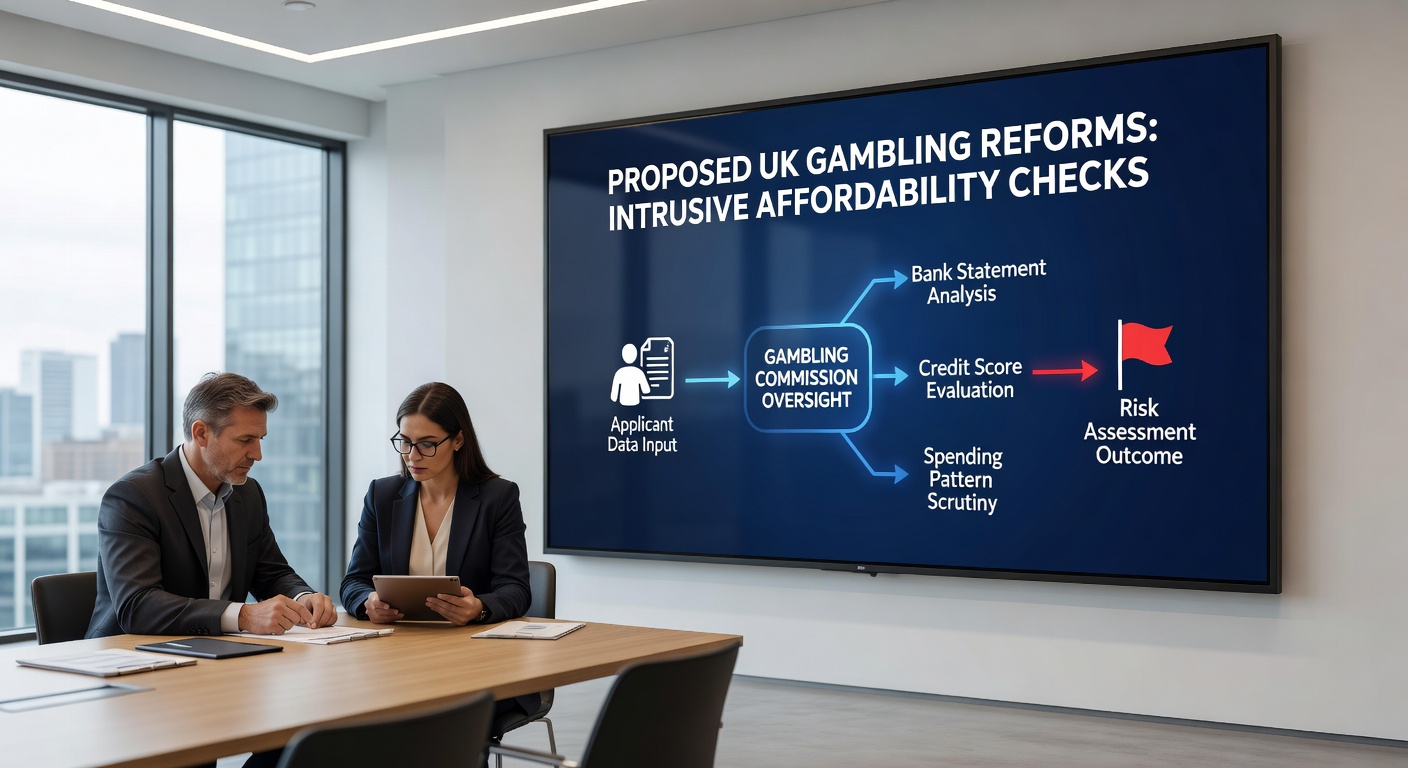
Financial Risk Assessments were designed to evaluate a customer’s spending against their financial circumstances, with the aim of identifying potential harm before it escalates. Under the pilot that began in 2024, operators applied these checks on a limited basis, collecting data that later informed the board’s review. The Commission stated that the evidence reviewed included operator submissions, customer impact studies, and feedback from multiple sectors connected to gambling activity.
Although the pilot results indicated limited intervention rates, the regulator decided that additional analysis was necessary to determine how the checks would operate at full scale. This decision kept the process in a holding pattern while the Commission continued its evaluation.
Stakeholder Responses and Industry Concerns
Significant opposition emerged from gambling operators, cross-party MPs, and the racing industry, all of whom highlighted potential unintended consequences. Operators argued that mandatory checks could push customers toward unregulated black-market operators, while racing representatives expressed worries about reduced betting volumes affecting prize money and participation levels. Politicians from across parties raised questions about the balance between consumer protection and individual choice, and several parliamentary voices called for more proportionate approaches.
Survey data compiled by the Betting and Gaming Council revealed that 65% of punters would refuse to provide financial documents such as bank statements or payslips if required to continue betting, a statistic that featured in discussions around customer willingness to comply. Those figures added weight to arguments that widespread implementation might reduce participation in the regulated market.
Next Steps After the May 2026 Meeting
Following the 21 May 2026 board meeting the Commission confirmed it would continue gathering and reviewing information before reaching a final decision. No new timeline was set during the announcement, leaving operators and other interested parties to await further updates on when the assessment might conclude. The regulator emphasised that the delay allowed for a more thorough consideration of all submitted evidence rather than a rushed conclusion.
Industry observers noted that the pilot’s low intervention rate of 3% had been cited repeatedly in submissions, yet the Commission maintained that broader questions around implementation remained open. This approach kept the focus on completing the evidence review before any policy shift.
Conclusion
The postponement announced after the May 2026 meeting leaves the future scope of Financial Risk Assessments undecided for the time being. Stakeholders across the sector continue to monitor developments as the UK Gambling Commission works through the remaining stages of its assessment process.