Verification Pathways and Reward Stacking Bridge Soccer Markets, Racetracks, and Live Dealer Tables
Sage Sullivan · May 20, 2026
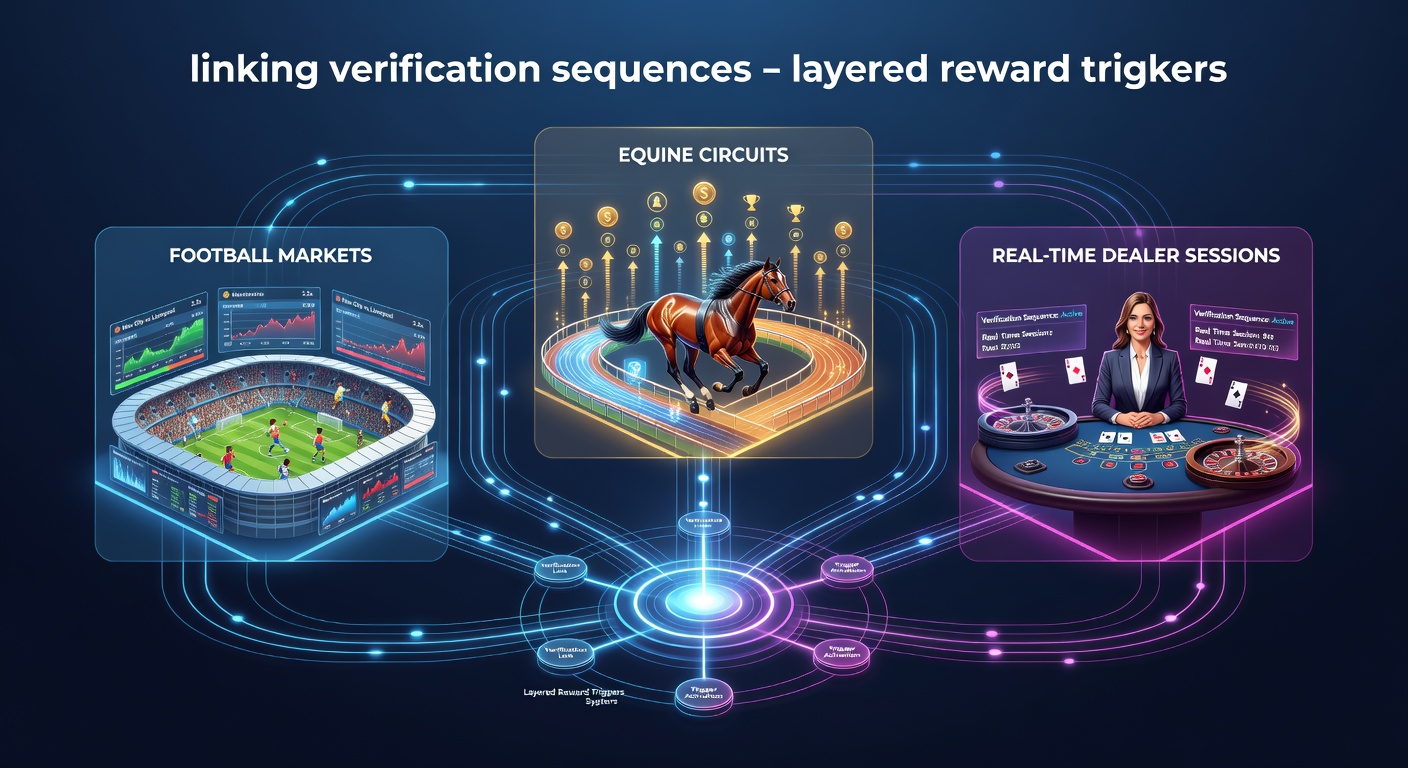
Verification Pathways and Reward Stacking Bridge Soccer Markets, Racetracks, and Live Dealer Tables
Platforms now link verification sequences directly to layered reward triggers so that once users complete identity checks and document uploads, automated systems activate progressive bonuses that span football markets, equine circuits, and real-time dealer sessions, and this integration has become standard in many regulated environments by May 2026. Data from industry monitoring groups shows operators apply these chains to reduce friction while maintaining compliance across jurisdictions.
How Verification Sequences Initiate Reward Layers
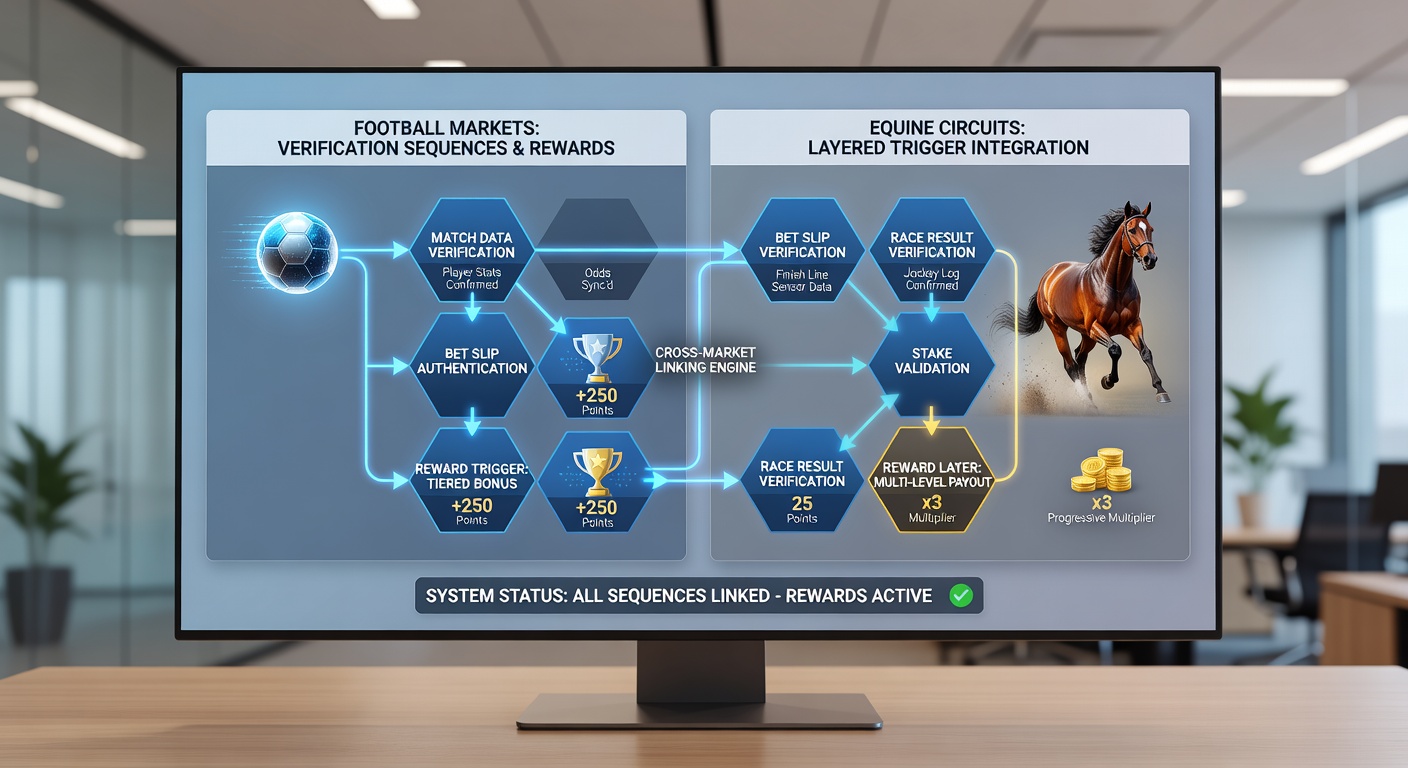
Operators design verification sequences to include multi-step processes such as email confirmation, phone validation, and identity document review, after which reward triggers activate in sequence, and these steps allow platforms to unlock initial deposit matches that later expand into tiered offers when users place qualifying bets on soccer leagues. Research indicates that once the first verification layer clears, systems tag accounts for subsequent rewards that build automatically during active play periods.
Football markets often serve as entry points because high-volume match schedules provide frequent opportunities for users to meet turnover requirements attached to the first reward tier, while equine circuits add longer-form events that stretch reward accumulation across days or weeks. Observers note that operators program these sequences to detect completed verifications and immediately surface personalized reward ladders that adapt based on bet type and stake size.
Extending Triggers Across Equine Circuits
Equine circuits integrate with the same verification backbone so that once accounts pass initial checks, layered rewards extend to horse racing wagers through progressive cashback percentages or free bet credits that compound after each verified race meeting, and this approach keeps users engaged across different event durations. Figures from sector reports reveal that platforms route equine bettors into reward chains that reference prior football activity to calculate bonus eligibility without requiring repeated verification steps.
Systems track performance metrics such as win rates and total stakes across both markets, then apply multipliers to the next reward layer when thresholds are met, while real-time updates ensure users see available triggers in their account dashboards. Those who've studied platform architectures point out that equine circuits benefit from these linkages because race calendars complement soccer fixtures, creating continuous reward pathways rather than isolated promotions.
Real-Time Dealer Sessions and Cross-Market Activation
Real-time dealer sessions connect to the same verification and reward infrastructure so that live casino tables inherit triggers originally earned through sports or racing activity, and users transition between verticals without restarting compliance procedures. According to European Gaming and Betting Association analyses, integrated systems record verification status centrally, allowing dealer game bonuses such as cash drops or table credit matches to activate automatically once prior layers from football or equine bets are satisfied.
Live dealer environments add time-sensitive elements because sessions run continuously, which lets platforms insert micro-triggers that reward consecutive play or specific game outcomes, and these additions build on base rewards established in other markets. Data shows that operators monitor session duration and bet frequency to determine when the next reward tier unlocks, creating fluid movement between soccer odds, horse race pools, and blackjack or roulette tables.
Technical Implementation and Compliance Patterns
Backend systems employ APIs that synchronize verification status with reward engines, ensuring that each completed sequence step updates user profiles across all product categories simultaneously, while audit logs maintain records for regulatory review. Researchers at institutions tracking digital gambling technology have documented how these linkages reduce duplicate data entry and support responsible gambling tools that pause reward progression when limits are reached.
By May 2026 many platforms had rolled out enhanced matching algorithms that align reward triggers with user location and license requirements, so operators serving multiple regions adjust sequences to reflect local rules without disrupting the overall layered structure. Industry organizations report that such technical coordination helps maintain consistent user experiences while operators navigate varying tax and reporting obligations.
Conclusion
Linking verification sequences with layered reward triggers creates unified pathways that connect football markets, equine circuits, and real-time dealer sessions through shared account infrastructure, and ongoing platform updates continue to refine these connections. National Center for Responsible Gaming studies highlight how centralized verification supports both operational efficiency and player protection measures across these verticals. The pattern established by mid-2026 demonstrates measurable coordination between compliance steps and progressive incentives that span multiple betting formats.